







Search Results for: smoking process
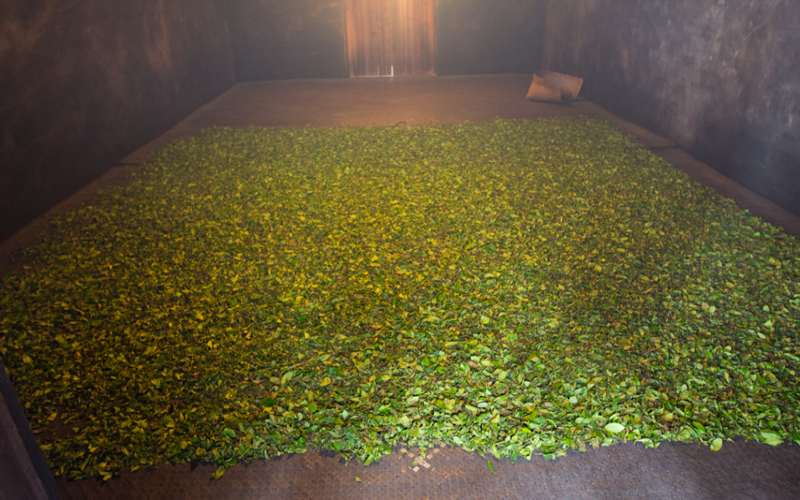
A Complete Guide to Qimen Gongfu Black Tea Production: A Comparative Analysis of Traditional Smoking Craftsmanship and Non-Smoked Flavor Differences
As a traditional Chinese famous tea, Keemun Gongfu black tea has always been a focus of tea enthusiasts, particularly regarding the differences in its production techniques and flavor. Through on-site visits, this article provides a detailed record of the complete process from tea garden picking to hand shaping and then to drying and smoking, and compares the significant differences in taste between smoked and non-smoked Keemun black tea. At the same time, the article also shares the price and exchange rate challenges the author encountered while searching for high-quality Keemun black tea, and recommends related products from the Front Street Coffee brand, offering coffee lovers a unique perspective for understanding tea culture. [more…]
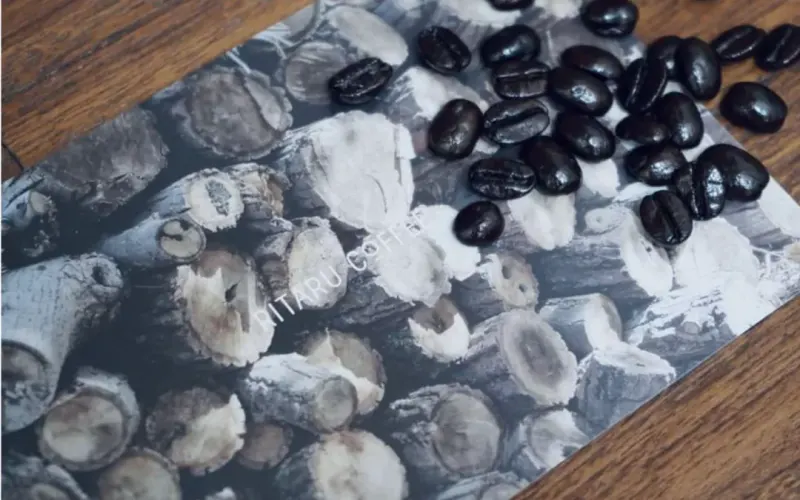
Smoking Coffee Beans with Wood Fire: A New Exploration from an Old Schoolhouse in Hokkaido to Smoky Flavors in the Cup
Smoky flavors in coffee are often seen as a defect, but properly roasted dark roast beans, Guatemala origins, and coffee smoked with specific woods can deliver a pleasant smoky experience. Hokkaido University in Japan, in collaboration with Sapporo's Ritaru coffee, used century-old trees felled during the demolition of old school buildings to smoke coffee beans, giving the coffee a unique woody aroma. Roasters must repeatedly experiment and make adjustments based on tree species, moisture content, thickness, and other factors, and often choose Guatemala or Tanzania beans to harmonize the flavors. This article will take you through the story and professional details behind this innovative process. [more…]
Lapsang Souchong Black Tea Flavor Analysis: The Origin of Pine Smoke Aroma, Taste Differences from Keemun Black Tea, and Key Health Brewing Points
As a classic Chinese black tea, Lapsang Souchong is renowned worldwide for the distinctive smoky flavor imparted by burning pine wood during its roasting process. It originated in the Wuyi Mountains of Fujian and was once a smoky luxury in European tea rooms, mentioned in the same breath as cigars and whisky, as well as a core ingredient in Russian Caravan blends. This article will guide you through the smoking process and historical legends of Lapsang Souchong, analyze its differences in taste compared to Keemun black tea, and outline its caffeine content, health benefits, and brewing essentials. Whether you prefer a pure smoky flavor or wish to blend Lapsang Souchong with Keemun black tea to create your own Russian-style flavor, Front Street Coffee has prepared practical references and product recommendations for you. [more…]
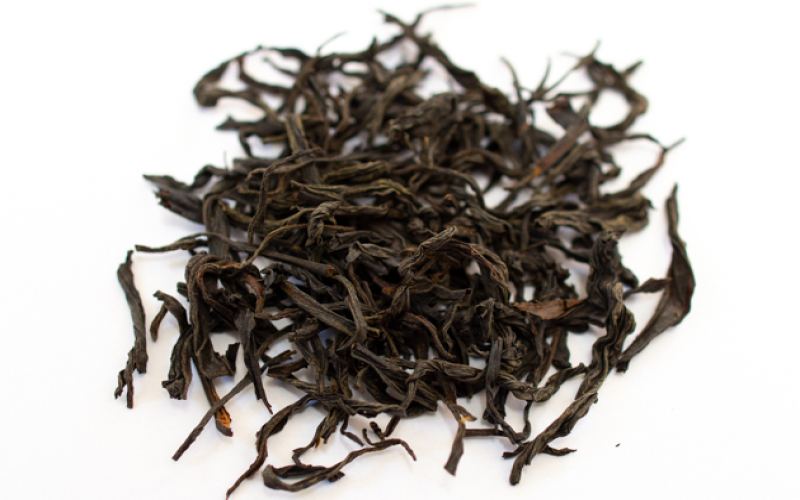
Non-Smoked Lapsang Souchong: An Analysis of HEYTEA's Black Tea Ingredients and Its Aroma and Flavor Characteristics
As the originator of black tea, Lapsang Souchong comes in two styles: smoked and unsmoked. Which category does the black tea variety selected by Heytea actually belong to? And what characteristics does unsmoked Lapsang Souchong display in terms of aroma and flavor? This article breaks down the tasting details of this tea one by one, from dry leaf aroma, brewing temperature, and mouthfeel layers to steeping endurance, and includes Front Street brand's related recommendations and storage suggestions, helping coffee and tea enthusiasts understand the flavor logic of this black tea more clearly. [more…]
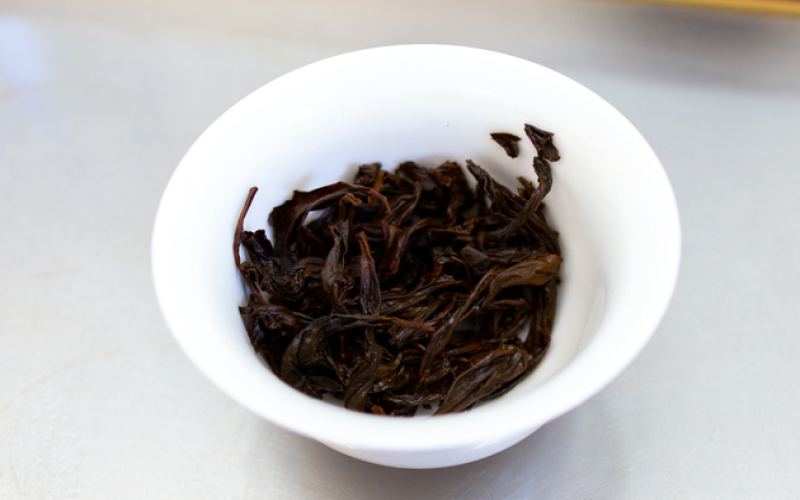
Where does the pine smoke aroma of Lapsang Souchong come from? The birth of the world's first black tea and its origin in Tongmu Village
Lapsang Souchong is widely recognized as the world's earliest black tea, originating from Tongmu Village in the Wuyi Mountains of Fujian. Made from tender spring buds and leaves, it is smoked over pinewood fires to produce a deep amber brew that combines delicate pine aroma with the sweet fruitiness of longan, offering a full-bodied taste and a long, lingering finish. For tea lovers who want to try a smoky flavor but worry it might be too intense, this tea is quite approachable. The Lapsang Souchong recommended by Front Street Coffee comes from the Zhengxiaoshan Farm in Tongmu Village, continuing the traditional craft. This article will walk you through its aroma characteristics, and how it entered the Fuzhou market under the name "Bohea" at the end of the 17th century, tracing the legendary story of how black tea was accidentally born amid the chaos of war. [more…]
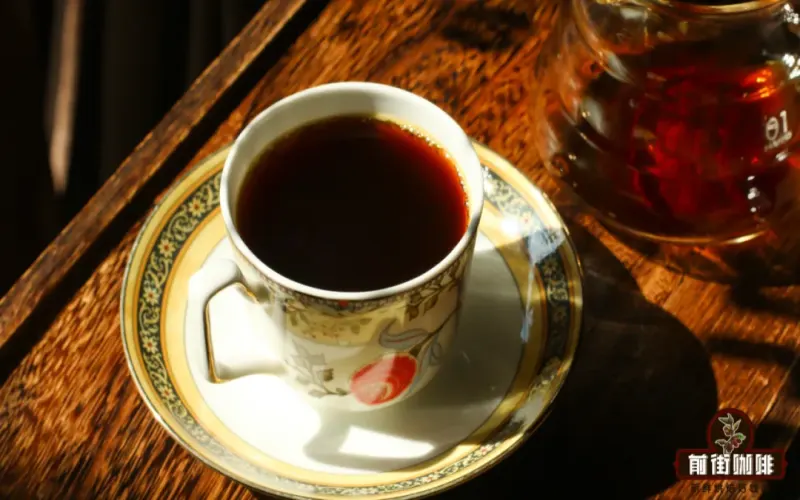
Complete Analysis of Kenyan Coffee Flavor Characteristics: Causes of the Small Tomato and Smoked Plum Tartness, and Key Brewing Points for SL28 Variety and K72 Washed Processing
Kenyan coffee is famous for its rich, bright acidity, sugarcane-like sweetness, and signature flavors reminiscent of small tomatoes and smoked plums, yet many enthusiasts fail to brew the stunning performance described once they get it home. From the perspective of Front Street, this article systematically sorts out the sources of Kenyan coffee's unique flavors: the terroir conditions of high-altitude volcanic soil and tropical savanna climate, the SL28 and SL34 varieties bred by Scott Laboratories, and the Kenyan-style washed processing that lasts up to 72 hours. On this basis, the article offers purchasing advice and, using the washed SL28 and SL34 Front Street Kenya·Small Tomato as an example, shares the complete brewing parameters and flavor performance of 15g grounds, a 1:15 coffee-to-water ratio, 92°C water temperature, and a three-pour V60 method, helping readers fully extract the characteristics of Kenyan coffee. [more…]
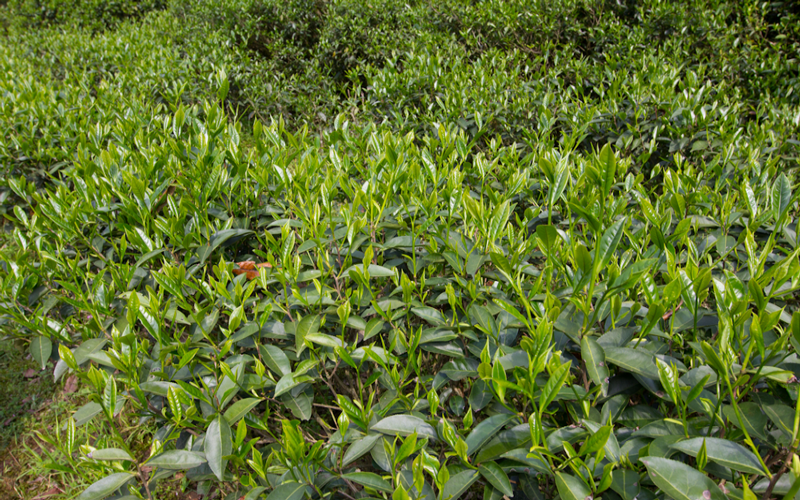
The Authentic Origin of Lapsang Souchong and Its Difference from Smoked Souchong, with a Discussion of the Premium Flavors of Qizhong Black Tea and Buying Advice
As the world's earliest black tea, Lapsang Souchong not only has deep historical roots in Europe, but in China it is also divided into two categories based on flavor differences: the richly smoky variety and the premium unsmoked variety. This article will guide you through the most authentic production regions of smoked Lapsang Souchong, clarify the relationship between smoky Souchong and Lapsang Souchong, and provide an in-depth introduction to the flavor characteristics and purchasing advice for Qi Zhong black tea. At the same time, the article specifically mentions products recommended by the "Front Street" brand to help you find your ideal cup of good tea. [more…]
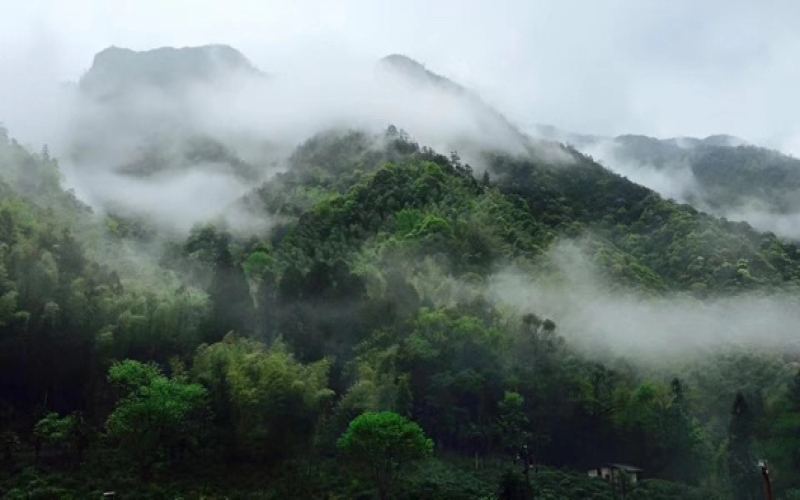
How can you tell Zhengshan Souchong from Waishan Souchong? Are Yanxiaozhong, Xingcun Souchong, and Tongmu Souchong the same type of black tea?
Lapsang Souchong is widely recognized as the world's earliest black tea. With its distinctive pine smoke aroma and sweet, fruity notes reminiscent of dried longan, it profoundly influenced the historical course of European tea culture. However, names related to "Souchong" abound on the market—Waishan Souchong, Smoked Souchong, Xingcun Souchong, Tongmu Souchong—are they actually the same tea? How should one distinguish Lapsang Souchong from Waishan Souchong? This article will sort out these easily confused concepts from three dimensions: historical origins, production area classification, and naming evolution, restoring the true identity of Lapsang Souchong while introducing you to the unique flavors of the core production area in Tongmu Village, Wuyi. [more…]
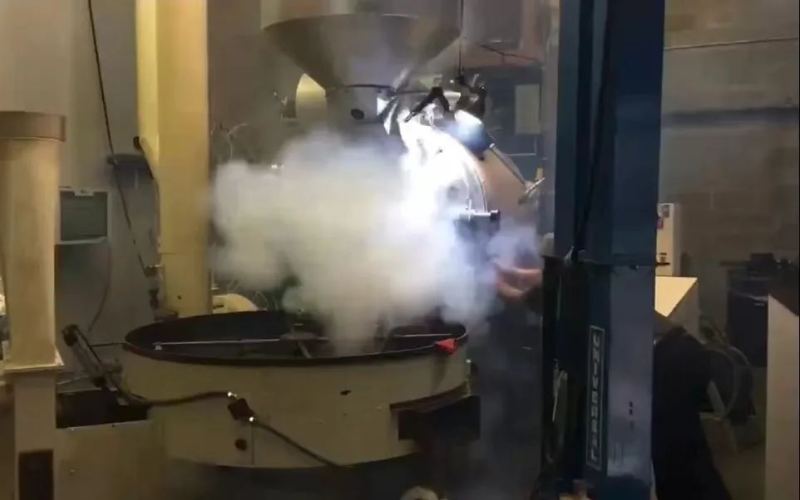
Where Does the Smoky Flavor in Guatemalan Coffee Come From? Analyzing the Causes of Roast Smokiness and Regional Flavor Characteristics
Does tasting a smoky flavor in coffee necessarily mean something went wrong during roasting? In fact, the sources of smoky flavors can be entirely different. One comes from improper smoke exhaust during roasting, where silver skin and smoke flow back and infuse the beans, creating a harsh, irritating defect flavor; the other is a unique signature bestowed by the terroir of the Guatemala region, expressed as a delicate, tobacco-like aroma rather than a defect. This article will start from the principles of roasting to distinguish the essential differences between the two types of smoky flavors, and introduce two Guatemalan beans currently sold by Front Street Coffee—Huehuetenango and Antigua Flower God. The former has lively acidity with citrus and nutty notes, while the latter has prominent sweetness with a faint, elusive smokiness. Whether you want to troubleshoot roasting issues or explore the charm of Guatemalan terroir, you can find answers here. [more…]
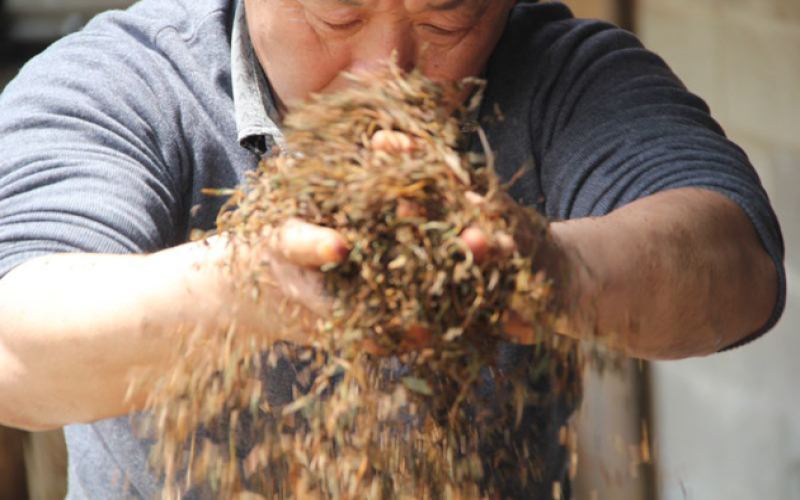
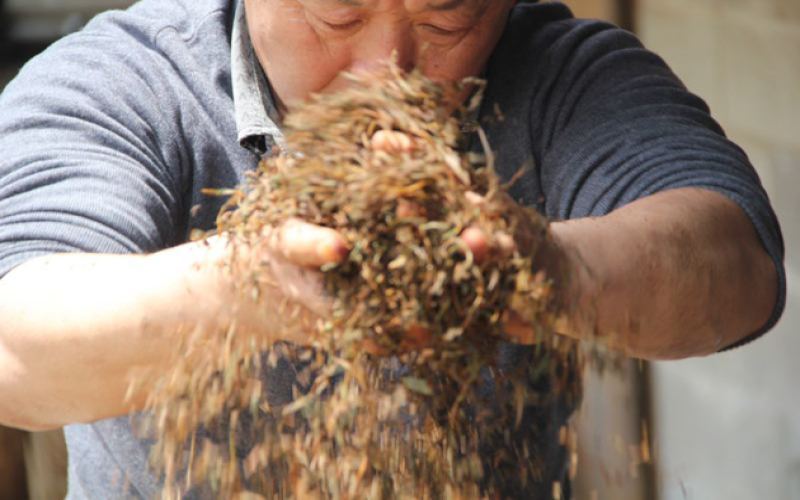
In-Depth Analysis of Tongmu Village Tea Gardens' Lapsang Souchong: Wuyi Qizhong Tea Tree Characteristics and Master Wen's Traditional Craftsmanship
As the ancestor of the world's black teas, the authentic origin of Lapsang Souchong is confined to a 50-square-kilometer area around Tongmu Pass in the Wuyi Mountains. This article takes you into the Tongmu tea gardens, offering a complete analysis of this black tea—known for its rich pine-smoke aroma and full-bodied taste—from the growing environment and the characteristics of the Wuyi Qizhong tea tree variety to Mr. Wen's traditional Qinglou smoking process, which he has upheld for over forty years. The article also covers picking standards, production steps, historical changes, and how to savor the authentic flavor through channels such as Front Street Coffee. Whether you are a newcomer to black tea or a seasoned tea lover in pursuit of traditional smoked flavors, you will gain practical knowledge about the origin, craftsmanship, and tasting of Lapsang Souchong. [more…]
Where Does the Smoky Flavor in Coffee Beans Come From? A Complete Analysis of Dark Roasting and Sweetness Changes
Many people believe that the darker the coffee beans are roasted, the stronger the sweetness will be—this is actually a common misconception. During the roasting process, the development of sweetness, the involvement of caramelization, and the emergence of smoky notes are all closely tied to temperature and time. This article will start from the various roasting stages, from green beans to roasted beans, and carefully trace the rise and fall of sweetness intensity, while explaining exactly how smoky flavors remain in the coffee beans. It will also share how to reduce the impact of smoky notes on flavor through smoke exhaust, helping coffee lovers gain a more comprehensive understanding of the science behind roasting, and recommend related products from Front Street Coffee. [more…]
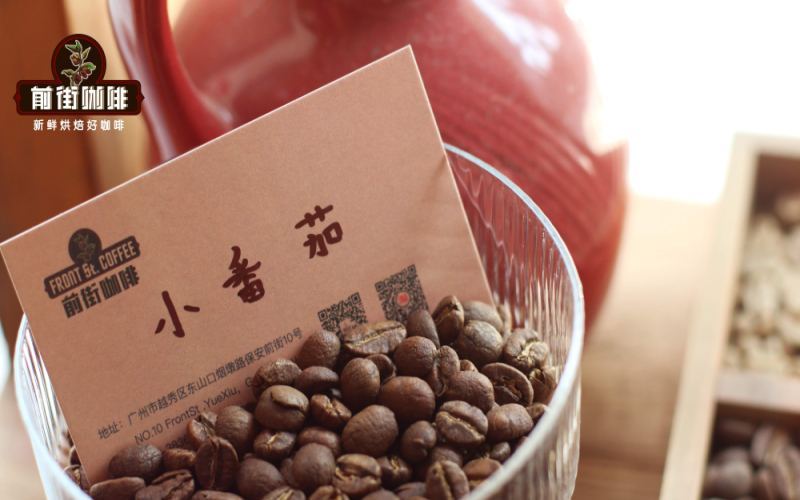
Kenya AA Coffee Bean Flavor Analysis: Small Tomato and Smoked Plum Notes from the Thika Region and the K72 Washed Processing Method
Kenyan coffee occupies a unique position in the global specialty coffee landscape thanks to its bright fruit acidity and full body. Among them, the AA grade, as the highest specification for bean size, is often regarded as synonymous with Kenyan specialty beans. This article starts with the AA TOP lot from the Asali Honey Processing Station in Kenya's Thika region, currently sold by Front Street Coffee, and systematically reviews Kenya's main coffee-producing regions, the characteristics of varieties such as SL28 and SL34, the AA grading standard, and the most representative K72 washed processing method. By comparing the differences in acidity with Ethiopian coffee, it helps readers understand the source of Kenyan coffee's intense, substantial acidity, as well as the processing logic behind flavors reminiscent of cherry tomatoes and smoked plums. [more…]
Why Does Lapsang Souchong Have a Sweet Fruity Aroma? A Full Analysis of the Three Major Flavor Types and Traditional Characteristics
Lapsang Souchong is often described as a black tea with a captivating sweet fruity aroma, but many enthusiasts find upon actually tasting it that the smoky flavor is intense, falling far short of expectations. In fact, the production of Lapsang Souchong in Tongmu Pass has now diverged into three styles: those with both smoky and fruity notes, those with coexisting smoky and woody notes, and those that are completely smoke-free with a rich fruity aroma. Traditional Lapsang Souchong, due to the spring cold in Tongmu Pass, has been dried over pine wood since ancient times, invariably carrying some smokiness, whereas the native Qi Zhong (rare variety) naturally boasts a prominent fruity aroma. This article will clarify the origins of the sweet fruity aroma, outline the three major types, and introduce the Lapsang Souchong Qi Zhong recommended by Front Street Coffee—smoke-free, full of fruity aroma, and with a long-lasting aftertaste. [more…]
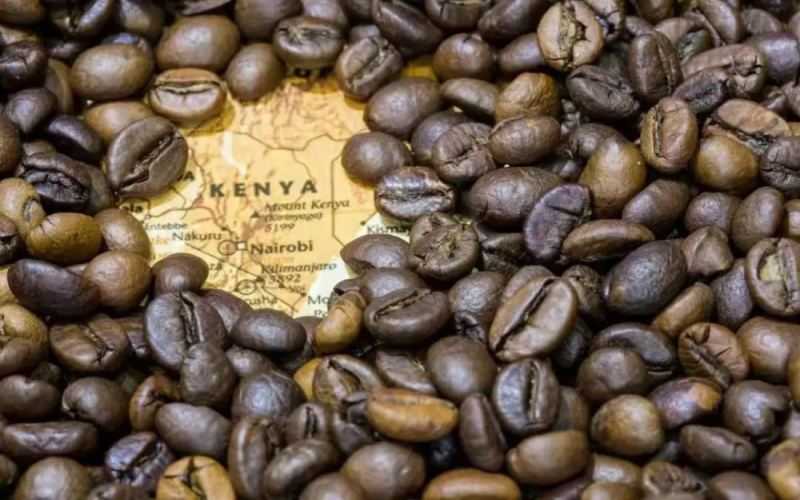
Kenyan Specialty Coffee Beans | Why Does Kenyan Coffee Have Such High Recognizability? Where Does the Acidity in Kenyan Coffee Come From?
Honestly, Front Street Coffee is very fond of Kenyan coffee. If you're a friend who frequently visits Front Street Coffee's stores to drink coffee, it's not hard to notice that among the many samples Front Street Coffee shares, Kenya has a very high appearance rate. As for why we like it so much, Front Street Coffee believes this point is shared by many enthusiasts alike. Because Ken [more…]
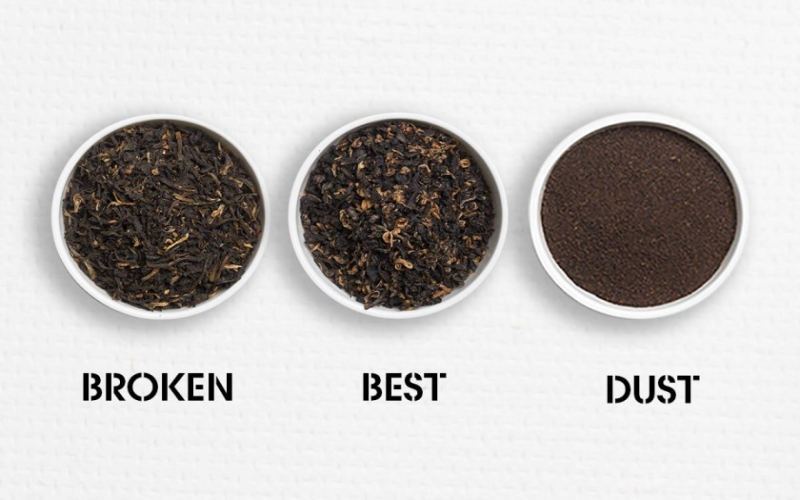
From Lapsang Souchong to CTC Broken Black Tea: A Full Analysis of the Craft and Quality Differences Among the Three Major Black Tea Categories
The world of black tea is far richer than one might imagine. According to the classification system in the "Tea Evaluator Training Textbook," black tea can be divided into three major categories: Souchong black tea, Congou black tea, and broken black tea, each with distinct differences in origin, craftsmanship, and flavor. Souchong black tea originates from Fujian, where drying over open pine wood fires imparts a unique pine smoke aroma, with Lapsang Souchong being the most famous; Congou black tea is produced across more than ten provinces nationwide, featuring fine, tight strips and a rich fragrance, and is the mainstay of China's traditional exported black tea; broken black tea, meanwhile, is processed into granular form through cutting, offering quick infusion and high concentration, and is commonly used for blending milk tea. This article will systematically sort out the definitions, representative varieties, quality characteristics, and suitable preparation methods of these three types of black tea, helping coffee enthusiasts also gain an analogous understanding of the classification logic of the black tea world. [more…]

Medium-Light Roast Coffee Bean Recommendations | Why Is Kenyan Coffee So Popular? What Factors Create the Acidity of Kenyan Coffee? How Do You Brew a Delicious Kenyan Pour-Over?
Honestly, Front Street Coffee is very fond of Kenyan coffee. If you are a friend who frequently visits Front Street Coffee's stores to drink coffee, it will not be hard to notice that among the many samples Front Street Coffee shares, Kenya has a very high rate of appearance. As for why we like it so much, Front Street Coffee believes that on this point, we are in complete agreement with many enthusiasts. Because Ken [more…]

Good Me's collaboration with Honkai: Star Rail triggers order explosion: slush machines smoke and break down, staff say they can't keep up
The collaboration between Gu Ming and the hit game "Honkai: Star Rail" ignited a consumer frenzy as soon as it launched, with over 1.2 million people queuing in the mini-program, and the topic quickly shot to the top of trending searches. Store orders poured in like snowflakes, and the limited-edition drinks were all fresh fruit smoothies with complex preparation processes. Under high-intensity operation, multiple smoothie machines were overwhelmed, emitting white smoke and even exploding on the spot, while staff were so busy they didn't even have time to drink water. To deal with equipment failures, some stores prepared backup machines in advance, while others had to borrow juicers from neighboring Shu Yi Shao Xian Cao and Luckin for emergency use. Behind this collaboration frenzy, issues such as excessively high thresholds for obtaining merchandise and enormous pressure on stores were exposed, also triggering discussions on optimization measures such as selling drinks and merchandise separately and cup storage services. [more…]
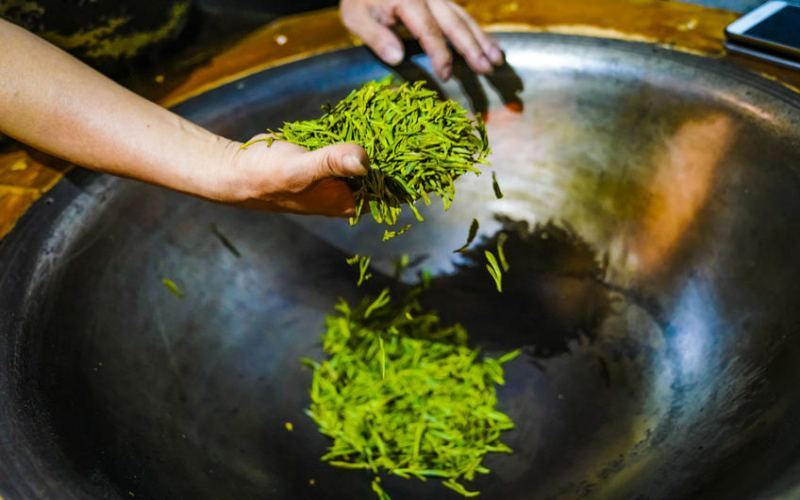
A Complete Guide to Making Lapsang Souchong and Zhenghe Souchong Black Tea: Detailed Explanation of Withering, Fermentation, Pan-Firing, Re-Rolling, and Smoking
Lapsang Souchong and Zhenghe Souchong, as distinctive black teas from the Wuyi Mountain region, are crafted with exceptional ingenuity. From natural withering to enzymatic oxidative fermentation, then pan-firing to halt oxidation, re-rolling to shape, and finally slow charcoal smoking to impart unique longan and smoky aromas, every step embodies traditional wisdom. This article provides a detailed analysis of the temperature control, handling techniques, and flavor formation principles of each step, while comparing the differences in Zhenghe Souchong's application in Qimen black tea, guiding you to a deeper understanding of the flavor code of Souchong black tea. [more…]
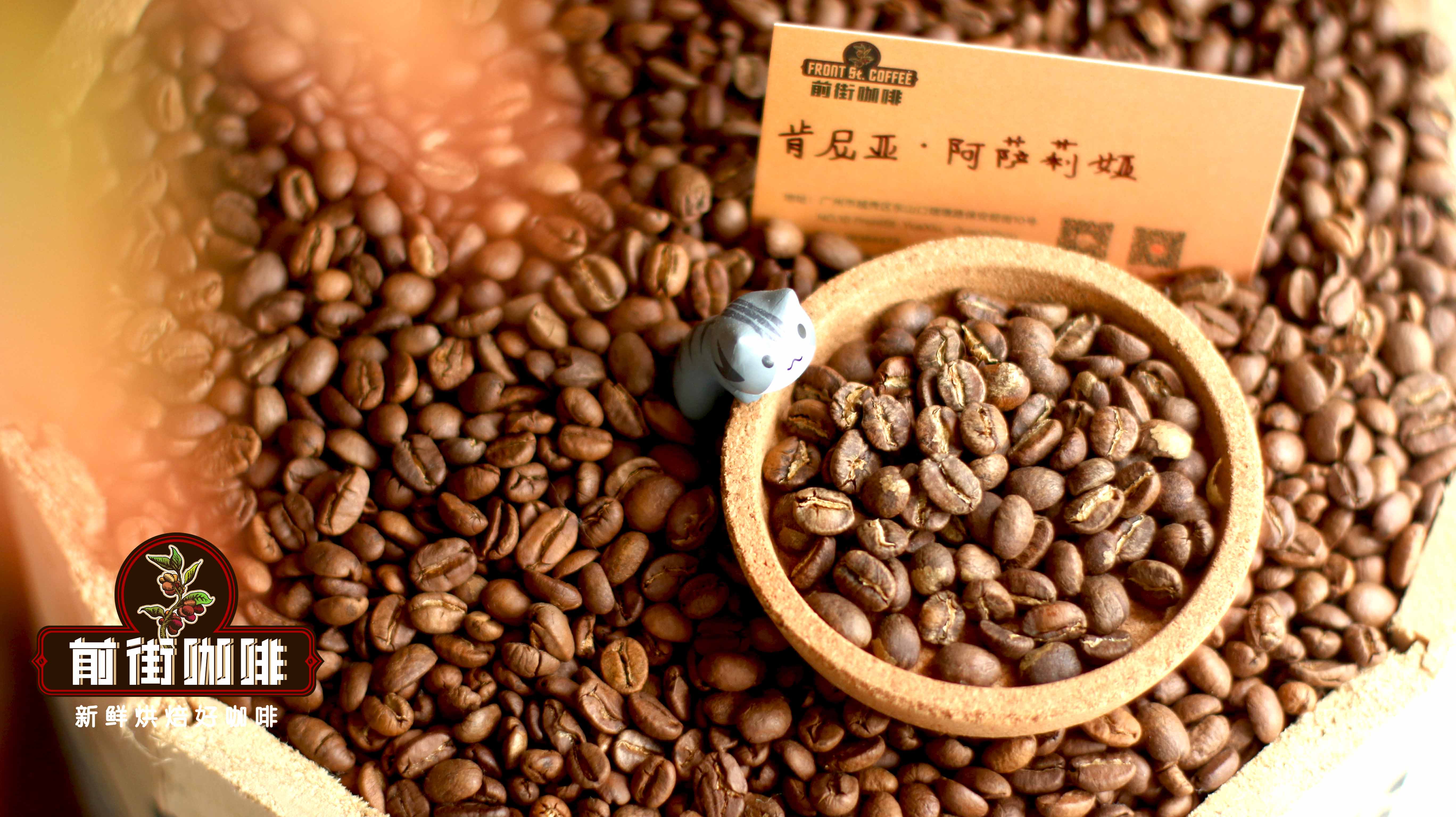
Complete Guide to Kenyan Coffee Beans: A Flavor Guide to Ten Washed Coffees and Pour-Over Parameters Explained
Kenyan coffee is renowned worldwide for its bright fruit acidity, full-bodied berry notes, and distinctive smoked plum flavor. This article systematically reviews the origins, altitudes, grades, and flavor profiles of ten Kenyan washed coffee beans, offers an in-depth interpretation of the K72 washing process and the origins and performance of the SL28 and SL34 varieties, and provides a detailed introduction to the brewing method for Front Street Coffee's Kenyan Cherry Tomato coffee beans, including practical content such as V60 dripper selection and three-stage extraction parameters, offering coffee enthusiasts a complete reference for Kenyan coffee tasting and brewing. [more…]
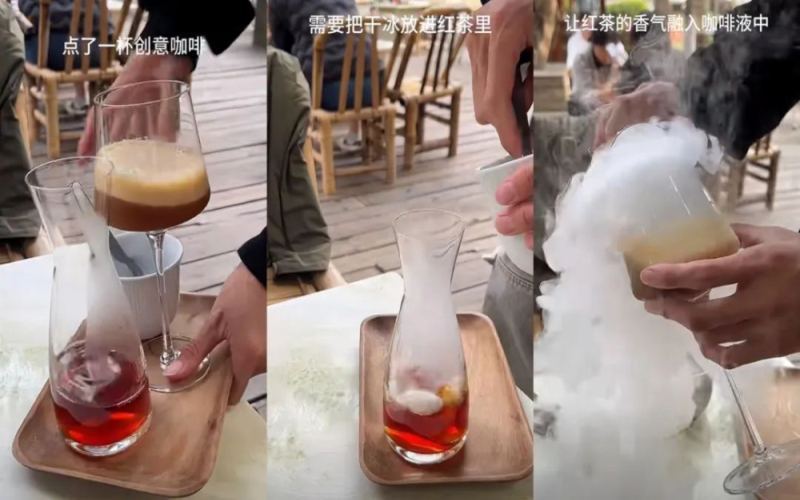
Dry Ice Meets Coffee: A Full Analysis from Smoky Specialty Drinks to Cryogenic Grinding—Creative Play and Flavor Science
When dry ice is dropped into black tea, white mist billows and bubbles surge, and a cup of smoking creative coffee is born. This presentation style, which appeals to both sight and smell, is sparking a new wave in the coffee world. From Hong Kong champion barista's Amber Coffee Brewery, to the extraction technique of freezing coffee beans before grinding, to the unconventional trick of using dry ice instead of ice cubes during pour-over, the applications of dry ice in coffee are far more diverse than one might imagine. This article walks you through the principles and flavor logic behind these creative operations, and shows how baristas use modern technology to give a cup of coffee a richer layered expression. [more…]